
Japanese plant stands, renowned for their minimalist elegance and connection to nature, are finding new expression through a Scandinavian lens. This fusion brings together the serenity of Japanese aesthetics with the clean lines and functionality of Scandinavian design, creating unique and stylish pieces for modern homes and offices. The result is a harmonious blend of form and function, perfectly suited for cultivating indoor greenery.
This exploration delves into the design concepts, functionality, materials, and visual inspirations behind these hybrid plant stands, emphasizing sustainable choices and their impact on space planning. We’ll analyze different sizes, shapes, and materials, providing insights into selecting the right stand for your needs and the optimal placement within your home. Finally, we’ll discuss the importance of plant selection, maintenance, and sustainable practices to ensure long-term health and beauty for your indoor oasis.
Design Concepts
Japanese and Scandinavian design aesthetics, while distinct, offer complementary strengths when combined. Blending these philosophies creates a unique approach to plant stands, emphasizing both functional utility and visual appeal. This approach prioritizes sustainable materials, natural elements, and a minimalist ethos, fostering a harmonious connection between interior design and the natural world.The fusion of Japanese and Scandinavian design principles in plant stands results in pieces that are both aesthetically pleasing and environmentally conscious.
The approach emphasizes the use of natural materials, highlighting the beauty of simple forms and understated elegance. This synergy creates a calming and inviting atmosphere within any space.
Aesthetic Characteristics of Japanese Plant Stands
Japanese aesthetics prioritize natural forms, minimalism, and a sense of serenity. Plant stands often feature clean lines, natural materials like wood or bamboo, and a restrained color palette. The focus is on showcasing the plant, not the stand itself. A key principle iswabi-sabi*, embracing imperfections and the beauty of natural aging, contributing to a sense of tranquility.
Examples include stands with subtly textured wood, showcasing the grain of the material, or bamboo stands with a delicate, almost skeletal appearance.
Scandinavian Design Principles and Visual Cues
Scandinavian design emphasizes simplicity, functionality, and natural light. Visual cues include light and airy spaces, often with a neutral color palette (white, gray, beige), and a focus on clean lines. Materials are typically natural, such as wood, metal, or glass, showcasing the inherent beauty of the materials. Emphasis is placed on durable, well-crafted pieces that are built to last.
Examples include sleek, modern stands with minimalist bases, often made from light-colored wood or metal, and accented with understated details.
Blending Japanese and Scandinavian Aesthetics
The hybrid design approach marries the Japanese emphasis on natural forms and serenity with the Scandinavian focus on simplicity and functionality. This fusion results in stands that are both visually appealing and practical, with a focus on showcasing the plant while maintaining a calming atmosphere. The resulting design often features clean lines and a muted color palette, while incorporating natural textures and materials.
Natural elements like wood or stone are highlighted, and the use of natural light is emphasized to create a sense of harmony.
Incorporating Natural Elements
Integrating natural elements into the design is crucial for both aesthetics and sustainability. This can include using natural materials like bamboo, wood, or stone for the stand itself. Incorporating live plants or natural accents like pebbles or moss can further enhance the natural theme. The use of natural light is key, ensuring that the plant stand is placed in a location that maximizes natural light.
Materials for Sustainable and Durable Stands
Sustainable and durable materials are paramount. The use of reclaimed wood, bamboo, or sustainably harvested hardwoods offers a strong environmental ethos. Recycled metal or metal with a natural patina provides a unique touch. Glass, while delicate, can be a modern, durable material when combined with other sustainable elements.
- Reclaimed Wood: This offers a unique character and a connection to the past, contributing to a more sustainable approach by reusing existing resources. The varying textures and tones add visual interest and individuality to the stands.
- Bamboo: A rapidly renewable resource, bamboo offers a lightweight yet strong material. Its natural aesthetic blends seamlessly with both Japanese and Scandinavian design principles.
- Sustainable Hardwoods: Using hardwoods sourced from responsibly managed forests ensures a balance between environmental conservation and design aesthetics.
- Recycled Metal: Repurposing metal into the stand adds an industrial touch that complements the natural elements. The patina or unique finish of the recycled metal enhances the overall aesthetic.
- Glass: While potentially more fragile, glass can add a modern, clean element when used with other durable materials. Its transparency further enhances the presentation of the plant.
Visual Mood Board
A visual mood board showcasing the combined aesthetics would feature images of light-colored wood or bamboo stands with clean lines, potentially incorporating elements of Japanese calligraphy or minimalist art. The palette would lean towards natural tones, with accents of subtle greens and browns. The textures would showcase the natural grain of the wood or the subtle variations in bamboo.
The overall impression would be one of calm, understated elegance, where the plant is the focal point, showcased within a harmonious and sustainable environment.
Functionality and Use
Japanese-inspired plant stands, with their Scandinavian aesthetic, offer a blend of style and practicality. Their adaptability to diverse plant types and spaces makes them a valuable addition to modern homes and offices. Careful consideration of size, placement, and maintenance are crucial to maximizing the stands’ functionality and longevity.Plant stands come in a variety of sizes and shapes, allowing for the display of a broad range of plant types.
From compact terrariums to towering floor-based structures, the design choices cater to various needs. Small, tabletop stands are ideal for succulents and air plants, while larger, freestanding stands can accommodate larger foliage or even small potted trees.
Plant Stand Sizes and Shapes
The size and shape of a plant stand directly influence the types of plants it can support. Small, shallow stands are suitable for low-profile plants like succulents or air plants, while taller, wider stands are better suited for larger plants or groupings of smaller plants. The depth of the stand also matters; a deeper stand can accommodate larger root systems.
Considering the mature size of the plant and its root ball is crucial when selecting a stand.
Optimal Placement for Different Rooms
The optimal placement of a plant stand depends on the specific room and desired effect. In living rooms, strategically placed stands can create focal points or soften the space. Kitchen stands, if designed for wet areas, might require specific material choices to withstand humidity and moisture. In bedrooms, smaller, decorative stands can complement the ambiance without overwhelming the space.
Sunlight exposure is a key factor when determining optimal placement. Consider the amount of sunlight your plants need and position the stand accordingly.
Practicality for Daily Plant Maintenance
The practicality of a plant stand for daily maintenance is important. Easy access to the plant for watering and pruning is essential. Consider the height of the stand in relation to your height to make maintenance convenient. Open stands often allow for better air circulation around the plant’s roots, promoting healthier growth. This aspect should be carefully considered for plants that need frequent monitoring or pruning.
Stand Adjustments for Plant Species
The stands can be adjusted to accommodate various plant species’ specific needs. Adjustable height stands are versatile for different plant sizes. Some stands might include removable trays or features that help with watering or drainage, depending on the plant’s specific requirements. The adjustability is crucial for the overall health of the plants.
Comparative Analysis of Stand Constructions
Open-style stands provide excellent air circulation, promoting healthy root growth, while enclosed stands may retain moisture better, beneficial for certain plant types. The material of the stand also plays a significant role. Wood, for example, can be warm and inviting but may require more care than metal. The choice between open and enclosed depends on the specific needs of the plant and the desired aesthetic.
Stability and Support
Stability and support are paramount for the health and longevity of the plants. Sturdy construction and a wide base are critical for preventing toppling, especially with larger plants. Heavy-duty materials, such as metal or reinforced wood, contribute to stability. Consider the weight of the plant pot and the plant itself when choosing a stand. A stable stand prevents damage to the plant and the stand itself.
Materials and Construction
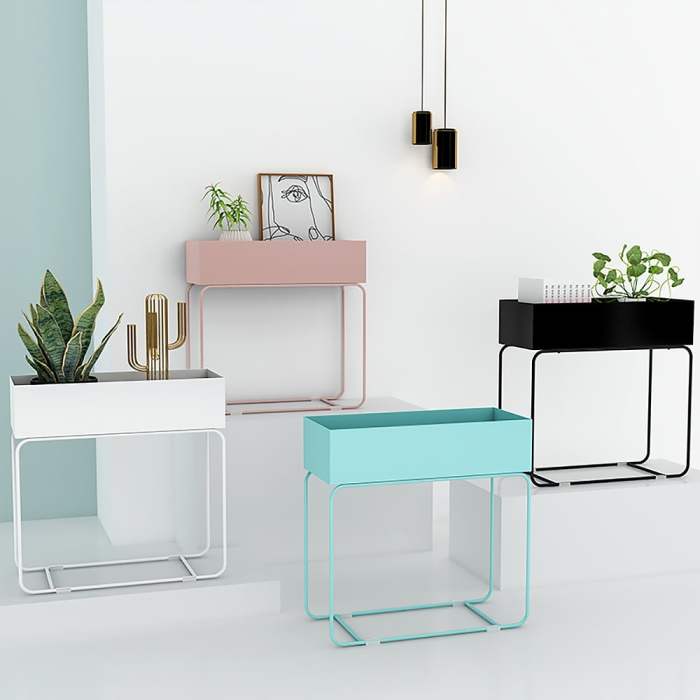
Japanese plant stands, infused with Scandinavian design, demand meticulous attention to materials and construction. The interplay between natural elements and clean lines is crucial. This approach emphasizes sustainability and functionality, creating pieces that seamlessly integrate into both indoor and outdoor spaces. The choice of materials and construction methods significantly impacts the aesthetic appeal, longevity, and environmental footprint of the stand.
Possible Materials
A range of materials can embody the essence of Japanese and Scandinavian aesthetics. Natural materials like wood, bamboo, and stone are prominent choices, reflecting a deep connection to nature. Metal, particularly in sleek, minimalist designs, can also complement the aesthetic. Composite materials offer a balance between durability and design flexibility. The selection of materials should consider both their aesthetic qualities and their potential for sustainable sourcing.
Material Characteristics and Advantages
- Wood: Hardwoods like oak, maple, and cherry offer strength, warmth, and a rich aesthetic. Their natural grain patterns contribute to a unique character. Properly treated wood is durable and resistant to decay, providing longevity. Sustainable forestry practices are crucial for responsible sourcing.
- Bamboo: Known for its rapid growth and strength, bamboo is a highly sustainable alternative to traditional hardwoods. Its light weight and naturally elegant lines align with Scandinavian design principles. However, bamboo can be more susceptible to moisture damage than hardwood in outdoor settings.
- Stone: Natural stone, such as slate or granite, offers a robust and timeless appeal. Its inherent durability makes it ideal for outdoor use, and its cool, neutral tones align with minimalist aesthetics. However, stone is significantly heavier than wood or bamboo, demanding sturdy construction to ensure stability.
- Metal: Stainless steel, aluminum, or wrought iron offer a modern and clean aesthetic. Metal’s strength and resistance to corrosion are beneficial for both indoor and outdoor applications. However, metal can sometimes appear colder than natural materials, requiring careful consideration of the overall design.
- Composite Materials: These materials combine natural fibers with synthetic resins to create a durable and low-maintenance alternative. Composite materials can mimic the appearance of wood or other natural materials while offering resistance to moisture and decay. However, their environmental impact depends heavily on the specific composition and manufacturing process.
Sustainable and Ethical Sourcing
“Sustainable and ethical sourcing is paramount to ensure the environmental and social responsibility of the production process.”
Ethical considerations extend beyond material selection to encompass the entire production chain. Certifications like Forest Stewardship Council (FSC) for wood, and fair-trade practices for other materials, demonstrate a commitment to sustainable sourcing. Transparency in the supply chain is crucial for consumers to make informed decisions. For example, choosing FSC-certified wood ensures that the timber comes from responsibly managed forests, mitigating deforestation and preserving biodiversity.
Construction Methods
Various construction methods are available for creating these stands. Traditional joinery techniques, using mortise and tenon joints, ensure structural integrity and an aesthetic connection to traditional woodworking. Modern techniques, such as using screws or bolts, offer faster assembly but might detract from the handcrafted aesthetic. The choice depends on the desired aesthetic and the level of craftsmanship.
Outdoor vs. Indoor Use
| Material | Outdoor Use Strengths | Outdoor Use Weaknesses | Indoor Use Strengths | Indoor Use Weaknesses |
|---|---|---|---|---|
| Wood | Durable, aesthetic, warm | Susceptible to moisture, weathering | Versatile, aesthetically pleasing, warm | Potential for scratches or dents |
| Bamboo | Lightweight, sustainable, elegant | More susceptible to moisture damage | Elegant, lightweight, sustainable | Potential for warping |
| Stone | Extremely durable, weather-resistant | Heavy, challenging to move | Timeless, robust, unique aesthetic | Cold to the touch, heavy |
| Metal | Corrosion-resistant, strong | May not be as aesthetically warm | Modern, sleek, clean aesthetic | Potential for coldness |
| Composite | Durable, low-maintenance, weather-resistant | Potential for less natural aesthetic | Low-maintenance, versatile, strong | May not have the same visual appeal |
Wood Stand Construction
The process of constructing a wood plant stand involves careful planning and execution. First, accurate measurements and design specifications are essential. Next, select the appropriate wood type and cut the pieces according to the design. Precise joinery techniques, such as mortise and tenon joints, or modern fasteners like screws, are then used. Finishing steps, such as sanding, staining, or painting, enhance the stand’s aesthetic appeal and protect the wood.
This process emphasizes the importance of craftsmanship and attention to detail.
Visual Examples and Inspirations

Japanese and Scandinavian design aesthetics, when harmoniously combined, offer a unique approach to plant stands. This fusion, emphasizing minimalism and natural elements, creates visually appealing and functional pieces. The key lies in understanding how to leverage the distinct characteristics of each style to achieve a cohesive and captivating design.Blending the serene minimalism of Scandinavian design with the rich symbolism of Japanese aesthetics yields plant stands that are both functional and emotionally evocative.
This fusion is evident in the use of natural materials, clean lines, and a focus on creating a calming atmosphere.
Examples of Existing Plant Stands
Many contemporary plant stands successfully merge these two design philosophies. One example might feature a simple, light-toned wooden stand with a subtly curved design, reminiscent of Japanese aesthetic principles, yet showcasing the clean lines favored in Scandinavian design. Another instance might involve a stand with a woven bamboo base, reflecting the Japanese appreciation for natural materials, combined with a minimalist, white ceramic planter, characteristic of Scandinavian aesthetics.
The careful selection of materials and the subtle integration of design cues are critical.
Plant Stand Types and Style Elements
| Plant Stand Type | Japanese Style Elements | Scandinavian Style Elements |
|---|---|---|
| Low, wide, wooden tray stand | Natural wood tones, possibly with subtle, integrated details like inlaid wood or carvings, emphasizing the natural beauty of the wood. | Clean lines, simple form, light wood tones, perhaps with a light-colored, natural fiber mat. |
| Tall, slender metal stand | Intricate, almost calligraphic metalwork, potentially incorporating natural elements like bamboo or stone. | Sleek, modern lines, emphasis on minimal detailing. Perhaps a matte black or light gray finish. |
| Hanging, woven basket stand | Woven bamboo or rattan, possibly with subtle knotting or patterns. | Neutral tones, simple basket form, possibly a light, natural color. |
The table above demonstrates the diverse ways Japanese and Scandinavian aesthetics can be combined in plant stands, showcasing the potential for a variety of forms and materials.
Detailed Description of a Plant Stand
Imagine a plant stand crafted from light gray, brushed aluminum. Its design is inspired by the elegance of a Japanese minimalist Zen garden. A series of gently sloping, intersecting planes form the stand’s base, creating a subtle, almost meditative, visual effect. The stand’s minimalist design complements a series of carefully selected natural plants. The stand itself has a soft, warm glow, reflecting natural light and enhancing the ambiance.
The stand’s structure is open, allowing for light to pass through and illuminating the plants below. The symbolism of this design lies in its subtle representation of nature’s interconnectedness, mirroring the concept of balance and harmony in Japanese aesthetics.
Light and Shadow Enhancement
“Strategic use of light and shadow can transform a plant stand into a focal point.”
Employing strategically placed light sources can accentuate the stand’s design. For example, a soft, warm light from a floor lamp positioned behind the stand can cast a gentle glow, enhancing the overall aesthetic. A small, directional spotlight, aimed at the plants’ leaves, could highlight their texture and form, creating depth and visual interest. Shadow play, created by positioning the stand in relation to natural light sources, can also be used to enhance the stand’s form.
Lighting Solutions
Various lighting solutions can be employed to enhance the visual appeal of the plant stand. Ambient lighting, such as strategically placed table lamps or floor lamps, can create a serene atmosphere. Task lighting, such as small spotlights or LED strips, can highlight specific plant features. Natural light, through windows or skylights, can also be used to accentuate the stand’s design.
Unique Design Elements
Adding decorative elements can personalize the plant stand. Small, hand-painted ceramic ornaments, reflecting the quiet elegance of Japanese art, can be strategically placed on the stand. Incorporating delicate, woven textile elements, characteristic of Scandinavian design, could further enhance the plant stand’s unique aesthetic. The addition of small, natural stones or pebbles, symbolizing the connection to nature, could further add depth and visual interest.
Scale and Proportions
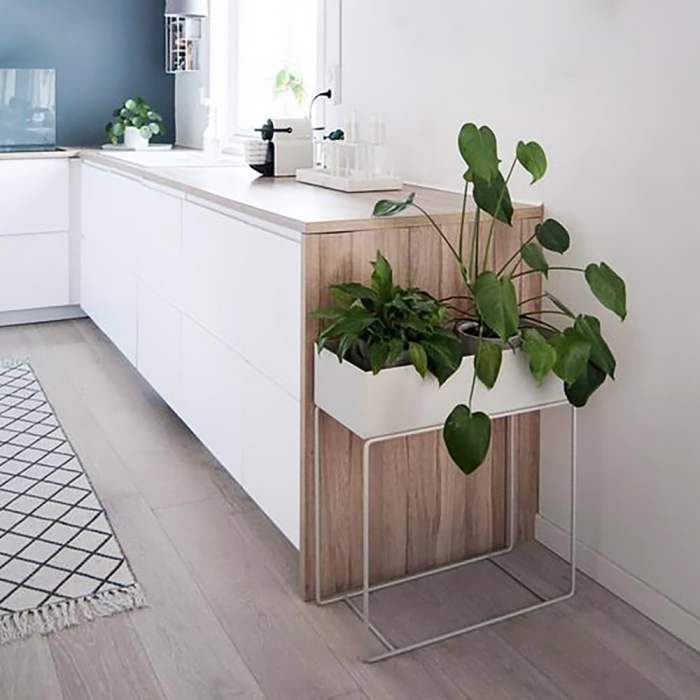
The right scale and proportion are critical for a plant stand to enhance the aesthetic of a space, rather than overwhelm it. A poorly proportioned stand can detract from the beauty of even the most exquisite plants. Careful consideration of the stand’s size in relation to the plants and the surrounding environment is key to achieving a harmonious and visually appealing design.Appropriate scaling ensures the stand complements the plants, not overshadows them.
This involves a thoughtful balance between the size of the stand, the size of the plants it will house, and the overall dimensions of the room in which it will be placed. A stand that is too large for the plants or the space will appear disproportionate and detract from the intended aesthetic. Conversely, a stand that is too small will appear dwarfed by the plants, hindering the visual impact of both.
Relationship Between Stand Size and Plant Size
The size of the plant stand must be in proportion to the size of the plants it will support. A small, delicate stand is unsuitable for large, bushy plants. A tall stand might look out of place with small, trailing plants. The overall aesthetic balance is critical. For instance, a towering fern will look out of place on a tiny, compact stand, while a collection of small succulents will likely be lost on a massive, statement piece.
Importance of Proportional Design
Maintaining appropriate proportions is essential for a harmonious aesthetic. A stand that is too large for the room or the plants will visually disrupt the space. Similarly, a stand that is too small will make the plants appear out of scale, creating an unbalanced visual impact. A careful consideration of the stand’s height, width, and depth, relative to the plants and room, is key.
The goal is to achieve a visual equilibrium that complements the room and enhances the beauty of the plants.
Plant Stand Dimensions and Suitable Plants
| Stand Dimensions (Height x Width x Depth) | Suitable Plant Types |
|---|---|
| 12″ x 18″ x 12″ | Small succulents, air plants, trailing pothos, small ferns |
| 24″ x 30″ x 18″ | Medium-sized ferns, orchids, small palm trees, ZZ plants |
| 36″ x 48″ x 24″ | Large palm trees, fiddle-leaf figs, monsteras, large ferns, collections of medium to large plants |
This table provides a basic guideline. The specific dimensions and plant types will vary based on individual preferences and the overall design of the space.
Calculating Optimal Stand Height and Width
The optimal height and width of a stand are determined by the room’s dimensions and the desired aesthetic. For example, in a small living room, a tall, wide stand might overwhelm the space. A lower, narrower stand would be more suitable. In a large, open-concept space, a larger stand can create a focal point. A simple rule of thumb is to ensure the stand’s size complements the scale of the room, not dominates it.
Consider the room’s natural light and architectural features. The stand should enhance the existing features of the space, rather than creating visual conflicts.
Stand Scale and Aesthetic Influence
The stand’s scale significantly impacts the overall aesthetic of a space. A small, minimalist stand might be perfect for a modern apartment, emphasizing clean lines and simplicity. A large, ornate stand could be ideal for a traditional home, adding a touch of grandeur. The stand’s size and design elements should complement the existing interior design style. For instance, a Scandinavian-style living room will be enhanced by a light, airy stand with clean lines.
A bohemian-style space might benefit from a stand with a more eclectic or rustic aesthetic.
Comparison of Stand Sizes and Design Styles
A small, compact stand is ideal for contemporary or minimalist spaces. These styles prioritize clean lines and a sense of spaciousness. Medium-sized stands work well for transitional or eclectic styles, offering a balance between modern and traditional elements. Larger stands are suited for more formal or traditional spaces, where grandeur and statement pieces are desirable. The stand’s size and design must complement the existing interior design elements and the overall ambiance of the room.
This ensures the stand acts as a supportive element, not a distraction.
Color Palette and Finishes
A harmonious color palette is crucial for a Japanese-Scandinavian plant stand, bridging the aesthetic sensibilities of both traditions. The palette should complement the natural beauty of the plants, drawing the eye to their forms and textures while anchoring the stand in the room’s overall design. Finishes are equally vital, as they influence the stand’s character and its integration with the surrounding environment.Choosing colors that echo the natural tones found in Japanese gardens and Scandinavian interiors creates a cohesive aesthetic.
A palette that incorporates warm neutrals, earthy tones, and subtle accents ensures the stand is not overly assertive and blends seamlessly with the space.
Color Palette Inspiration
Japanese design often incorporates subtle, muted colors inspired by nature, including soft greens, greys, and browns. Scandinavian aesthetics emphasize clean lines and natural materials, often featuring white, light grays, and warm beiges. Combining these influences results in a palette that is both serene and inviting. Consider a palette centered around a base of light gray or beige, accented by muted greens or browns, with hints of darker wood tones for depth.
This balanced approach is key to the plant stand’s aesthetic.
Color Selection for Plants
Plants, in their natural variations, offer a wide array of colors. When choosing a color palette for a plant stand, consider the types of plants that will occupy it. For instance, a stand featuring leafy green plants might benefit from a muted, earthy color palette that complements the vibrant greens. If the stand will showcase flowering plants, a palette with complementary colors can highlight the flowers’ beauty.
Consider the color of the leaves, stems, and flowers when choosing a color scheme. For example, a stand for succulents might benefit from a light gray or beige base with a touch of a warm, natural wood tone, allowing the plants’ unique textures and colors to stand out.
Importance of Finishes
The finishes on the plant stand significantly impact its visual appeal and its interaction with the surrounding environment. A well-chosen finish enhances the stand’s aesthetic appeal, integrating it with the overall room design. The finish should be durable and able to withstand the elements and the potential moisture from plants. A smooth, polished finish can create a modern look, while a textured or natural finish evokes a more rustic or traditional aesthetic.
Finishing Options
Several finishing options are available for plant stands, each offering a unique aesthetic. Natural wood finishes, such as oiled or stained wood, maintain the warmth and natural beauty of the material. Painted finishes allow for greater color customization, offering a wide range of options to complement various plant types and room styles. Consider factors such as the stand’s intended placement and the overall color scheme of the room when choosing a finish.
Cohesive Color Scheme
Creating a cohesive color scheme for the stand involves careful consideration of the room’s existing color palette. If the room is already rich in color, a neutral plant stand with subtle accents can provide a balanced contrast. If the room is neutral, the stand can introduce a pop of color or texture that adds visual interest. Use a color wheel to identify complementary colors that enhance the stand’s visual impact and tie it into the surrounding design.
Examples of Color Palettes
- For a stand featuring ferns and other leafy green plants, a palette of muted greens, beige, and light gray works well, providing a serene and natural backdrop. This palette harmonizes with a wide range of room designs.
- A stand for cacti and succulents benefits from a palette that emphasizes the plants’ natural textures and colors. A light gray or beige stand with accents of warm wood tones creates a visually appealing contrast and allows the plants’ unique forms to stand out.
- A stand featuring vibrant flowering plants like orchids or lilies can benefit from a palette of complementary colors that highlight the flowers’ hues. A stand with a natural wood tone, accented by a muted color like blush pink or a soft blue, creates a welcoming and eye-catching display.
Plant Selection and Placement
The aesthetic appeal of a Japanese-style plant stand hinges significantly on the judicious selection and arrangement of plants. Choosing the right botanical companions not only enhances the visual harmony but also ensures their thriving within the stand’s environment. Proper placement fosters healthy growth and maintains the desired aesthetic, mirroring the natural elegance of Japanese gardens.The ideal plants for a Japanese-style plant stand often exhibit a minimalist, refined quality, complementing the stand’s design.
Their forms and foliage textures should align with the stand’s overall aesthetic. Considerations include the size and shape of the plants, their growth habits, and their color palettes.
Plant Selection Guidelines
Selecting plants that resonate with the aesthetic of a Japanese plant stand requires careful consideration of form, texture, and color. Plants with intricate foliage or graceful forms often excel in this context. Small, compact varieties with subtle textures and colors often enhance the overall composition, maintaining the stand’s refined visual language.
Importance of Proper Plant Placement
Optimal plant placement within the stand is crucial for both visual appeal and plant health. Proper spacing prevents overcrowding, allowing each plant to flourish. Consider the size and growth rate of each plant when determining placement. Strategic positioning also enhances visual balance and interest, drawing the eye across the stand’s surface in a pleasing manner.
Visually Appealing Plant List
This list offers a curated selection of plants known for their visual appeal and suitability for a Japanese-style plant stand:
- Fiddle-leaf figs (Ficus lyrata): Known for their large, glossy leaves and elegant form, fiddle-leaf figs add a dramatic touch to any space. Their architectural appeal complements the refined aesthetic of the plant stand.
- Snake plants (Sansevieria trifasciata): These resilient plants require minimal care and thrive in diverse conditions. Their unique stripes and upright forms contribute to the stand’s visual interest.
- Pothos (Epipremnum aureum): Versatile and easy to maintain, pothos offer a range of colors and leaf patterns, from deep green to variegated shades. Their trailing vines can be easily trained to create a cascading effect, adding dynamic visual appeal.
- ZZ plants (Zamioculcas zamiifolia): Remarkable for their ability to tolerate low light and infrequent watering, ZZ plants exhibit a robust and sophisticated presence. Their glossy, dark green leaves create a striking contrast against a light-colored stand.
Plant Types and Ideal Growth Conditions
This table provides a concise overview of plant types and their ideal growing conditions, essential for maintaining healthy plants within the stand:
| Plant Type | Light Requirements | Watering Frequency | Soil Type |
|---|---|---|---|
| Fiddle-leaf Fig | Bright, indirect light | Allow soil to dry slightly between waterings | Well-draining potting mix |
| Snake Plant | Tolerates low light | Water sparingly, allow soil to dry out completely | Well-draining potting mix |
| Pothos | Bright, indirect light to low light | Water when the top inch of soil feels dry | Well-draining potting mix |
| ZZ Plant | Tolerates low light | Water infrequently, allowing soil to dry out completely | Well-draining potting mix |
Matching Plants to Color Palette
Matching plant colors to the stand’s color palette enhances visual cohesion. If the stand features a neutral palette, consider plants with deep green or variegated leaves. If the stand incorporates warm tones, plants with bronze or reddish-brown foliage could create a harmonious contrast.
Arranging Plants for Visual Balance
Visual balance is achieved by considering the size, shape, and texture of each plant when arranging them on the stand. Place larger plants strategically to anchor the composition, while smaller plants can be used to fill in gaps or create visual interest. The placement of plants can either be grouped together or dispersed, depending on the desired aesthetic.
Varying plant heights and textures further enhances visual appeal.
Maintenance and Care
Maintaining a thriving indoor garden hinges on consistent care. Proper plant maintenance extends the lifespan of both the stand and the botanical inhabitants, ensuring a visually appealing and healthy environment. Neglect can lead to wilting, pests, and a general decline in the plants’ vibrancy. A proactive approach, incorporating regular routines and responsive adjustments, is crucial.
Watering Practices
Proper watering is paramount for plant health. Overwatering can lead to root rot, while insufficient watering can cause wilting and stress. Monitoring the soil moisture is key. Insert your finger a few inches deep into the soil; if it feels dry, it’s time to water. Ensure the water drains completely from the pot’s drainage holes to prevent waterlogging.
Different plant species have varying water needs, so research the specific requirements of your chosen plants. Consider using a moisture meter to accurately gauge soil moisture.
Fertilizing Strategies
Regular fertilization is essential for providing plants with the nutrients they need to flourish. Use a balanced, water-soluble fertilizer diluted according to the product instructions. Over-fertilization can harm the plants, so follow the recommended dosage. Apply fertilizer during the growing season, typically spring and summer, when plants are actively growing. Avoid fertilizing during the dormant period or when plants are experiencing stress.
Pest and Disease Control
Regular inspections are crucial for detecting pests and diseases early. Examine leaves and stems for signs of infestation, such as webbing, discoloration, or unusual growth. If pests are identified, use organic pest control methods first. Neem oil, insecticidal soap, or diatomaceous earth can be effective options. If the problem persists, consider consulting with a local gardening expert or a pest control specialist.
For plant diseases, promptly remove affected leaves and stems to prevent the spread. Identify the specific disease for appropriate treatment.
Environmental Considerations
Environmental factors significantly influence plant health. Ensure adequate light exposure, considering the specific light requirements of each plant species. Temperature fluctuations can also stress plants, so maintain a consistent environment. Protect plants from drafts and extreme temperatures. Monitor humidity levels, particularly for tropical or humidity-loving plants.
Adjust watering schedules and plant placement as needed to account for environmental changes. For example, during winter, plants might need less water due to lower humidity.
Addressing Plant Health Issues
Addressing plant health issues promptly is crucial for preventing further damage. Recognizing the symptoms of common plant problems, such as yellowing leaves, wilting, or stunted growth, is essential. Research the specific causes and appropriate solutions. Adjusting watering practices, light exposure, or fertilizer application can resolve many issues. If the problem persists, consult with a gardening professional for expert advice.
Detailed records of plant care practices and observations can be valuable in diagnosing and resolving issues.
Maintaining Stand Cleanliness
Regular cleaning of the plant stand is crucial for its longevity and aesthetic appeal. Wipe down the stand with a damp cloth to remove dust and debris. Inspect for any signs of damage or deterioration. Replace any damaged or worn components promptly. Avoid using harsh chemicals or abrasive materials that could scratch or damage the stand’s finish.
Consider using a mild cleaning solution and a soft-bristled brush for delicate surfaces.
Sustainability and Ethics
The growing awareness of environmental impact necessitates a commitment to sustainable practices in the design and production of Japanese-inspired Scandinavian plant stands. This commitment extends beyond simply choosing aesthetically pleasing materials to encompass the entire lifecycle of the product, from sourcing to disposal. Ethical sourcing, responsible manufacturing, and mindful plant care are integral to minimizing the stand’s environmental footprint and promoting a holistic approach to design.A sustainable approach to plant stands acknowledges the interconnectedness of material selection, manufacturing processes, and user behavior.
Prioritizing renewable resources, minimizing waste, and encouraging responsible plant care are critical steps in creating a product that benefits both the environment and the consumer.
Sustainable Material Selection
A key aspect of sustainability involves the selection of materials with minimal environmental impact. Wood from responsibly managed forests, recycled metals, and plant-based plastics are preferable to those derived from unsustainable sources. Using reclaimed or repurposed materials adds further value to the product’s sustainability profile.
Ethical Sourcing Practices
Ensuring ethical sourcing is paramount. This involves verifying that materials are sourced from suppliers who adhere to fair labor practices, protect workers’ rights, and promote environmental conservation throughout the supply chain. Transparent supply chains, where the origin and treatment of materials are traceable, are essential to build trust and demonstrate commitment to ethical standards.
Environmental Impact of Materials and Manufacturing
The manufacturing process also has a significant impact. Processes that minimize water usage, energy consumption, and chemical emissions are critical. The embodied energy of the materials, reflecting the energy required for extraction, processing, and transport, should be considered. Minimizing transportation distances further reduces the environmental burden of the stand.
Responsible Plant Care
Promoting responsible plant care is crucial to a holistic approach. Using water-efficient irrigation techniques, selecting appropriate plants for the environment, and avoiding the use of harmful pesticides or fertilizers can significantly reduce the environmental impact of plant care.
Environmentally Friendly Plant Care Practices
A few examples of environmentally friendly plant care practices include:
- Utilizing rainwater harvesting for irrigation, reducing reliance on treated water.
- Choosing native plant species that are adapted to local conditions, reducing the need for water and fertilizer.
- Employing organic fertilizers and pest control methods to avoid chemical runoff and maintain soil health.
Waste Reduction Strategies
Minimizing waste during production and use of the stands is vital. Designing for recyclability and using materials with high recyclability rates is important. Furthermore, reducing packaging materials and promoting reusable components can lessen the environmental impact of the product.
- Implementing a closed-loop system for material recovery, enabling the reuse of scrap materials.
- Designing stands with easily replaceable components, enabling repairs and extending the product’s lifespan.
- Providing clear instructions for proper disposal of the stand and its components, facilitating responsible recycling practices.
Space Planning and Styling
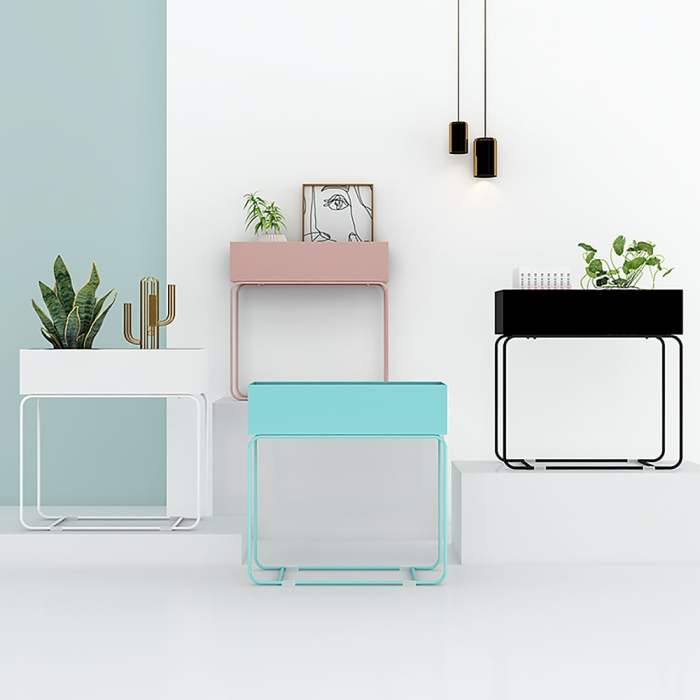
Japanese-inspired plant stands, with their clean Scandinavian aesthetic, offer versatile integration into various room designs. Their understated elegance allows them to seamlessly blend into contemporary settings while adding a touch of tranquility and natural beauty. Strategic placement and thoughtful accessorization can elevate these stands from simple functional objects to impactful design elements.Integrating these stands into a space requires careful consideration of the room’s overall style and the stand’s intended purpose.
Their minimalist forms are well-suited for both large and small rooms, enabling effective space utilization. Furthermore, these stands can transform the ambiance of a room by introducing a calming, earthy tone, a crucial aspect in modern interior design.
Integrating into Room Designs
Careful consideration of the room’s existing color palette and furniture style is paramount when integrating the plant stand. Matching the stand’s color scheme to existing decor enhances the aesthetic harmony. For instance, a light-colored stand complements a bright and airy room, while a darker stand can anchor a space with a more sophisticated feel.
Maximizing Space Utilization
The compact design of the plant stand enables effective space utilization, especially in smaller apartments or rooms. Placement in corners, along hallways, or beside windows optimizes available space without sacrificing visual appeal. A well-placed stand can serve as a decorative divider between different areas within a room, creating a sense of separation without cluttering the space.
Impact on Ambiance and Mood
The presence of greenery and the clean lines of the stand contribute significantly to a room’s ambiance. The natural elements introduced by the stand evoke a sense of serenity and tranquility, which is a crucial factor in modern interior design. This can significantly impact the mood, promoting relaxation and a sense of well-being.
Creating Focal Points
The stand’s minimalist design allows it to act as a focal point, particularly when placed strategically within a room. Positioning the stand near a window or a focal wall can direct attention to its beauty and the greenery within. For example, a stand placed centrally in a living room can draw attention to a collection of potted plants, creating a visually appealing and inviting centerpiece.
Consider placing a unique or unusually shaped plant on the stand to draw further attention.
Accessorizing for Enhanced Aesthetics
The minimalist aesthetic of the stand lends itself to a variety of accessories that enhance its appeal. Simple decorative items, such as small sculptures, bowls, or ceramic pots, can complement the stand’s clean lines without overwhelming it. These accessories can also add a personal touch, reflecting the owner’s style and taste. Careful selection of accessories will ensure a cohesive and harmonious design.
Stand Placement Examples by Room Style
| Room Style | Stand Placement Suggestions |
|---|---|
| Modern | Place the stand in a corner or against a wall, strategically near a window to maximize natural light. Use minimalist accessories to maintain the clean aesthetic. |
| Scandinavian | A light-colored stand, placed near a window or in a corner, will seamlessly blend into the light and airy aesthetic. Use natural materials for accessories. |
| Bohemian | A slightly larger stand, with varied textures and materials, can serve as a focal point. Combine the stand with eclectic accessories and a variety of plants. |
| Minimalist | Utilize the stand’s simple design to create a focal point. Use a single, impactful plant, and minimal accessories to maintain the overall aesthetic. |
End of Discussion
The Japanese plant stand scandinavian design offers a compelling blend of aesthetics and functionality. From the careful selection of sustainable materials to the thoughtful consideration of plant placement, this approach emphasizes a holistic connection between design, nature, and well-being. The resulting stands provide both visual appeal and practical solutions for nurturing indoor greenery, transforming any space into a tranquil haven.
